
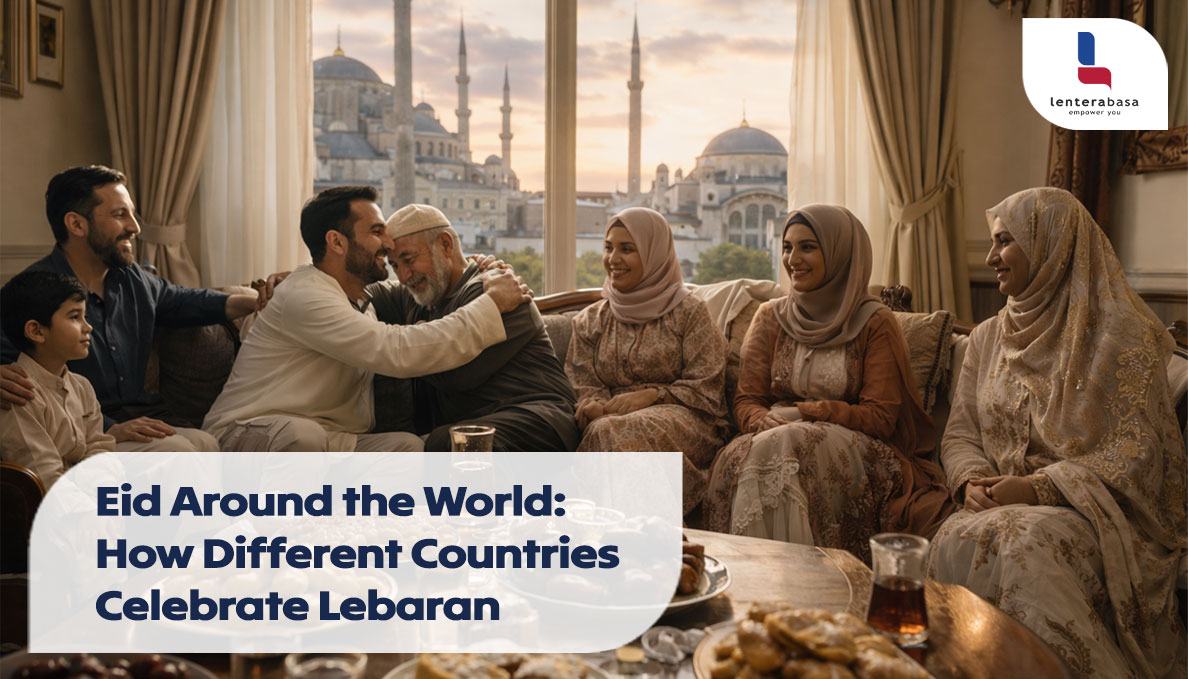
The sighting of the thin silver crescent moon marks one of the most significant moments for over 1.8 billion people worldwide. It signals the end of Ramadan, a month of fasting, reflection, and discipline and the beginning of Eid al-Fitr. While in Indonesia we affectionately call it Lebaran, this “Festival of Breaking the Fast” is a global phenomenon that transcends borders, languages, and ethnicities.
From the vibrant streets of Jakarta to the historic squares of Istanbul and the coastal beauty of Morocco, Eid is a masterclass in cultural diversity. While the spiritual core of the Eid prayer and the act of Zakat (charity) remains identical, the traditions, flavors, and festivities vary beautifully from one country to another.
1. Indonesia: The Spirit of Mudik and Forgiveness
Indonesia, home to the world’s largest Muslim population, transforms during Lebaran. The most defining characteristic of the Indonesian Eid is Mudik. This massive annual migration sees millions of city dwellers returning to their ancestral villages, creating a sense of national homecoming.
The heart of Lebaran in Indonesia is Halal Bihalal. It is a unique cultural practice where people visit family, friends, and neighbors to seek forgiveness for past mistakes. The phrase “Mohon Maaf Lahir dan Batin” echoes through every household.
- The Feast: No Indonesian Lebaran is complete without Ketupat (diamond-shaped rice cakes), Opor Ayam (chicken in coconut milk), and the world-famous Rendang.
- The Tradition: Children often receive colorful envelopes containing “THR” (Tunjangan Hari Raya) or pocket money from elders.
2. Turkey: The Sweetness of Şeker Bayramı
In Turkey, Eid al-Fitr is commonly known as Şeker Bayramı, which translates to the “Sugar Feast.” As the name implies, hospitality and sweets are at the forefront of the celebration.
Turkish traditions are deeply rooted in respect for the elderly. A common sight is younger generations kissing the right hand of their elders and placing it on their foreheads as a sign of reverence. In return, they are often gifted with sweets, chocolates, or even small amounts of money.
- The Treats: You will find an endless supply of Baklava, Turkish Delight (Lokum), and various milk-based puddings.
- The Vibe: The historic Blue Mosque in Istanbul becomes a focal point for thousands of worshippers, creating a breathtaking scene of communal prayer.
3. Egypt: A Public Celebration of Joy
For Egyptians, Eid is a time to reclaim the streets and public spaces. After the early morning prayer, the atmosphere becomes electric with street performers, vendors, and storytelling.
Egyptians have a unique way of celebrating with food that dates back centuries. While many focus on sweets, many families also prepare Fesikh, a traditional dish of fermented, salted, and dried gray mullet fish.
- The Iconic Cookie: The star of the Egyptian table is Kahk. These are traditional nut-filled cookies dusted with powdered sugar. The process of making Kahk is often a communal activity where women of the neighborhood gather to bake together.
- The Outings: Families flock to the Nile River for boat rides, visit the Giza Zoo, or spend the afternoon in the sprawling Al-Azhar Park.
4. Morocco: Elegance in Tradition
In Morocco, Eid (often called Eid Sghir) is a sophisticated affair focused on craftsmanship and traditional attire. The streets become a runway for Djellabas and Kaftans, often handcrafted with intricate embroidery.
Moroccan hospitality is legendary, and Eid is the perfect time to witness it. Neighbors swap plates of homemade cookies and pastries, ensuring that no one goes without a treat.
- The Morning Meal: Breakfast usually features Laasida, a dish similar to rice pudding but made with couscous, butter, and honey, or Meloui (Moroccan pancakes).
- The Ritual: The day is spent visiting relatives, often starting with the paternal side of the family, accompanied by endless glasses of mint tea.
5. Saudi Arabia: Unmatched Generosity
In the birthplace of Islam, Eid is celebrated with a grandeur that emphasizes the spirit of giving. In many Saudi neighborhoods, people exhibit a beautiful tradition of communal dining.
After the Eid prayer, residents often place large rugs on the streets. Each family brings a portion of their home-cooked meal, and everyone, rich, poor, local, or traveler sits together to share the feast.
- The Gift of Eidia: Saudis are known for their extreme generosity during this time. Business owners often give away free gifts to children, and it is common for strangers to hand out candy or toys in public squares.
Why Understanding These Traditions Matters
In an increasingly globalized world, understanding how different cultures celebrate the same holiday fosters empathy and connection. Whether it’s the spicy rendang of Sumatra or the honey-soaked baklava of Ankara, the underlying message of Eid remains constant: Gratitude, Charity, and Community.
Eid reminds us that despite our different languages and customs, we all share the same human desire for belonging and celebration.
Experience the Beauty of Global Cultures!
Are you inspired by these diverse traditions? Whether you are a traveler looking for your next cultural destination or a food lover wanting to try authentic Eid recipes, we have more stories to share with you in lenterabasa.com!